
What Is Public Correspondence and Why It Matters in the Digital Age

Posted on

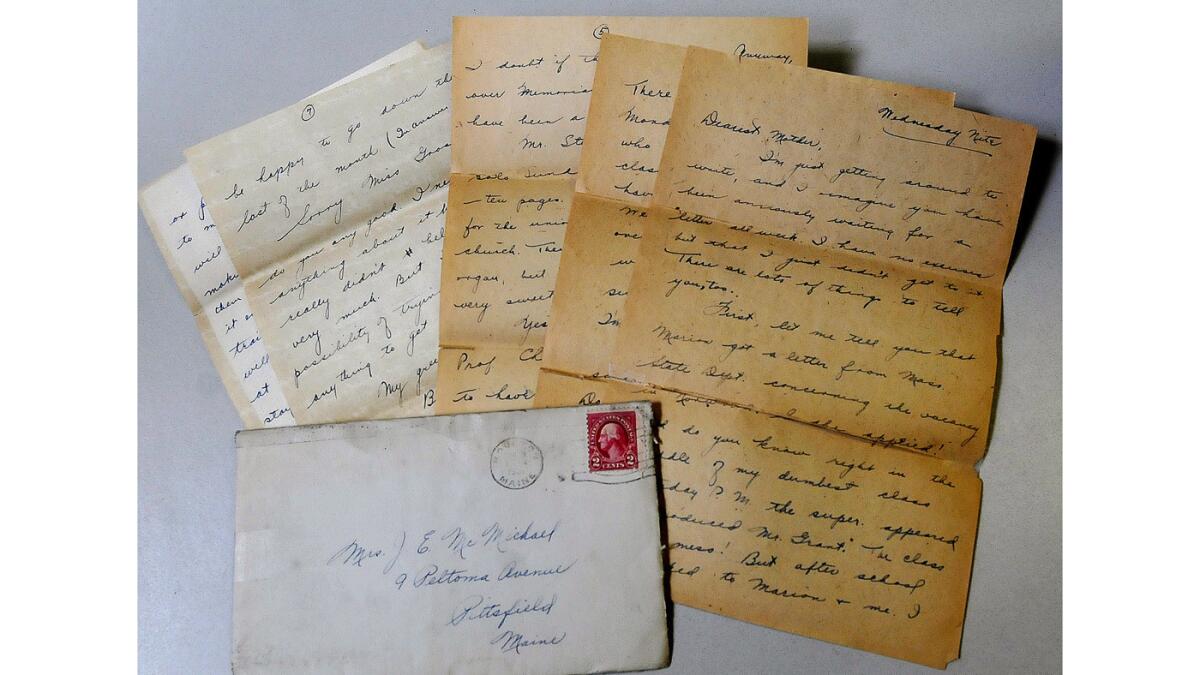
Public correspondence refers to communication that takes place between individuals and public-facing entities, such as organizations, institutions, or widely recognized figures. In the digital age, public correspondence has evolved far beyond handwritten letters, becoming a key part of how information, feedback, and dialogue flow online.

Historically, public correspondence was limited to formal letters sent to offices, newspapers, or institutions. These letters often required time, effort, and intent, which naturally filtered communication. Today, digital platforms have removed many of those barriers, allowing messages to be sent instantly through websites, email forms, and social platforms.

For a broader overview, see What Is Fan Mail and How Does It Work Today?

This shift has created both opportunities and challenges. On one hand, digital correspondence allows voices to be heard more easily and enables faster responses. On the other, it increases the volume of messages, making it harder for organizations to respond individually.

Public correspondence matters because it reflects how societies communicate at scale. It shapes public discourse, influences institutional transparency, and plays a role in trust-building between audiences and organizations. Understanding how it works helps individuals communicate more effectively and responsibly.

In modern communication systems, most public correspondence is managed through structured channels. Messages are filtered, categorized, and often handled by teams rather than individuals. This process ensures consistency, protects privacy, and allows organizations to respond appropriately.

From a media literacy perspective, understanding public correspondence helps readers avoid unrealistic expectations. Not every message receives a personal reply, but that does not mean communication lacks value. Often, correspondence contributes to broader feedback patterns and decision-making processes.

As digital communication continues to grow, public correspondence will remain an essential part of how societies exchange ideas. Learning how these systems function promotes respectful engagement and more meaningful interaction in public spaces.

Gravatar Image
Efanmail Editorial Team publishes educational content about fan communication, public correspondence, and digital culture.

1 comment

Leave a Reply

Your email address will not be published. Required fields are marked *